
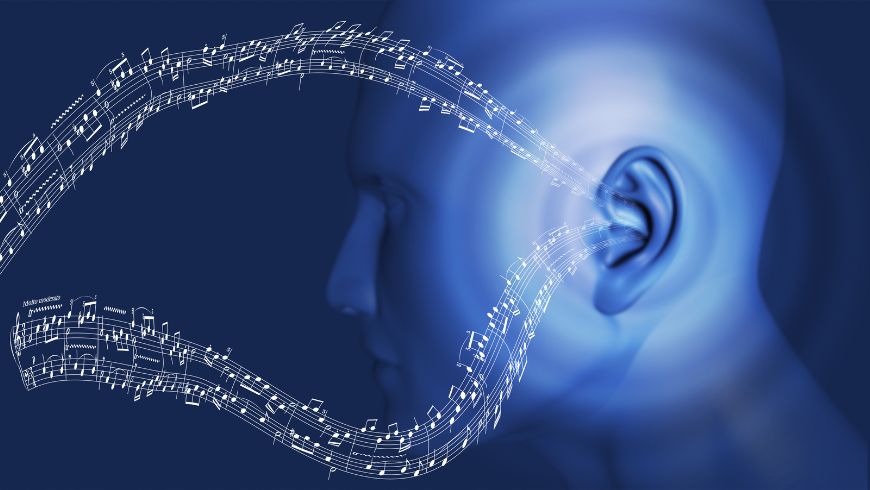
- Musical ear syndrome describes hearing melodies, singing, or instrumental music when no external music is playing.
- A hearing evaluation can identify hearing loss that may contribute to the experience and help guide appropriate next steps.
- South County Hearing Services provides comprehensive hearing tests in Narragansett, Rhode Island, who notice music or other unexplained sounds.
Hearing a melody that no one else can hear can be confusing. You may check the television, a phone, or another room and find that nothing is playing. The sound can seem so clear that it feels as though it is coming from your surroundings rather than from your thoughts.
One possible explanation is musical ear syndrome. This experience is sometimes associated with hearing loss, but hearing music without an external source can have more than one cause. A hearing test and a conversation with an appropriate healthcare professional can help clarify what is happening.
What Is Musical Ear Syndrome?
Musical ear syndrome is the perception of music when no external music is present. It is also called a musical hallucination. A person may hear a familiar song, an unfamiliar melody, singing, instrumental music, or several sounds layered together.
The experience varies. Music may occur in one or both ears, seem to come from another room, or feel as though it is playing inside the head. Episodes may last for seconds, minutes, or longer. Some people hear the same tune repeatedly, while others hear changing melodies.
Musical ear syndrome is different from remembering a song or having an earworm. With an earworm, you know that the tune is in your thoughts. With musical ear syndrome, the music may sound as if it is being heard through the ears or coming from the environment.
Why Can Hearing Loss Make You Hear Music?
The brain is constantly interpreting sound. When hearing loss reduces the sound information reaching the brain, areas involved in hearing may become less stimulated. Researchers believe the brain may sometimes respond by generating familiar sound patterns, including music.
This is often compared with the way some people with significant vision loss perceive images that are not present. The experience is real to the person, even though there is no outside sound source creating it.
Musical ear syndrome is reported more often in people with acquired hearing loss and in older adults. It can also occur in people who use hearing aids or cochlear implants, including when auditory input changes. However, hearing loss is not the only possible explanation, so symptoms should not be self-diagnosed.
Is Musical Ear Syndrome the Same as Tinnitus?
Musical ear syndrome and tinnitus both involve sounds that are not produced by an outside source, but they usually sound different.
Tinnitus is commonly described as ringing, buzzing, humming, hissing, clicking, or pulsing. Musical ear syndrome involves organized music, such as a melody, lyrics, a choir, or instruments. Some people experience both.
The distinction matters because a new or complex sound deserves a careful history. Tell your provider exactly what you hear, when it occurs, how long it lasts, whether it seems to come from one or both ears, and whether any other symptoms happen at the same time.
Does Hearing Music Mean You Have a Mental Health Condition?
Not necessarily. Musical hallucinations can occur in people with hearing loss who do not have a psychiatric condition. The experience should still be discussed openly with a healthcare professional because auditory hallucinations can also be associated with neurological conditions, medications, substance use, infections, sleep disruption, and mental health conditions.
Try not to hide the symptom because you are worried about being judged. A clear description helps your healthcare team consider both hearing-related and non-hearing-related causes. The goal is to identify the most likely explanation and make sure important conditions are not overlooked.
When Should You Seek Medical Care?
Arrange an evaluation if you repeatedly hear music that is not present, especially if the experience is new, persistent, distressing, or interfering with sleep and daily activities.
Seek urgent medical care when the music begins suddenly with symptoms such as:
- New confusion or a major change in awareness
- Weakness, numbness, facial drooping, or difficulty speaking
- A severe or unusual headache
- A seizure, fainting, or loss of consciousness
- Sudden hearing loss, severe dizziness, or difficulty walking
- Fever or signs of a serious infection
- Voices that direct you to harm yourself or another person
Contact the clinician who prescribed your medication if the symptom began after starting a new drug or changing a dose. Do not stop a prescription medication on your own unless a qualified clinician tells you to do so.
How Is Musical Ear Syndrome Evaluated?
An evaluation often starts with a detailed medical and hearing history. Your provider may ask what the music sounds like, how often it occurs, whether it is familiar, and whether it changes when you use hearing aids or add background sound.
A comprehensive hearing test can measure the softest sounds you hear across different pitches and how clearly you understand speech. The results can show whether hearing loss is present and whether one ear differs significantly from the other.
Depending on the history and accompanying symptoms, your audiologist may recommend follow-up with a primary care clinician, ear, nose, and throat physician, neurologist, or mental health professional. This coordinated approach helps rule out other causes rather than assuming that every case is related to hearing loss.
What Can Help Manage the Symptoms?
There is no single treatment that works for every person. Management depends on the suspected cause and how much the experience affects daily life.
Strategies that may be discussed with your healthcare team include:
- Improving access to sound: Properly fitted hearing aids or updated hearing-aid settings may increase meaningful auditory input when hearing loss is present.
- Adding gentle background sound: A fan, quiet radio, nature sounds, or conversation may make the internally perceived music less noticeable for some people.
- Reviewing medications and health changes: A clinician can look for timing patterns and decide whether additional medical evaluation is needed.
- Supporting sleep and stress management: Fatigue and stress may make unusual sound perceptions more intrusive.
- Using counseling or coping strategies: Professional support can reduce anxiety and help a person respond more calmly when the music occurs.
Do not rely on supplements, internet remedies, or medication changes without professional guidance. The safest plan begins with identifying possible contributors.
Start With a Hearing Evaluation
Musical ear syndrome can feel unsettling, but discussing it is an important first step. When hearing loss contributes to reduced auditory input, identifying and addressing that hearing loss may be part of the management plan. If another cause is possible, the evaluation can help guide the appropriate referral.
If you have started hearing music that is not actually playing, schedule a comprehensive hearing test with South County Hearing Services. Our Narragansett audiologists can assess your hearing, discuss your symptoms, and help coordinate the next appropriate step.